From Habsburg palace life to global museum culture
At the Albertina, centuries of collecting, politics, and artistic innovation still shape the way Vienna sees itself.
Table of Contents
The Albertina before the museum
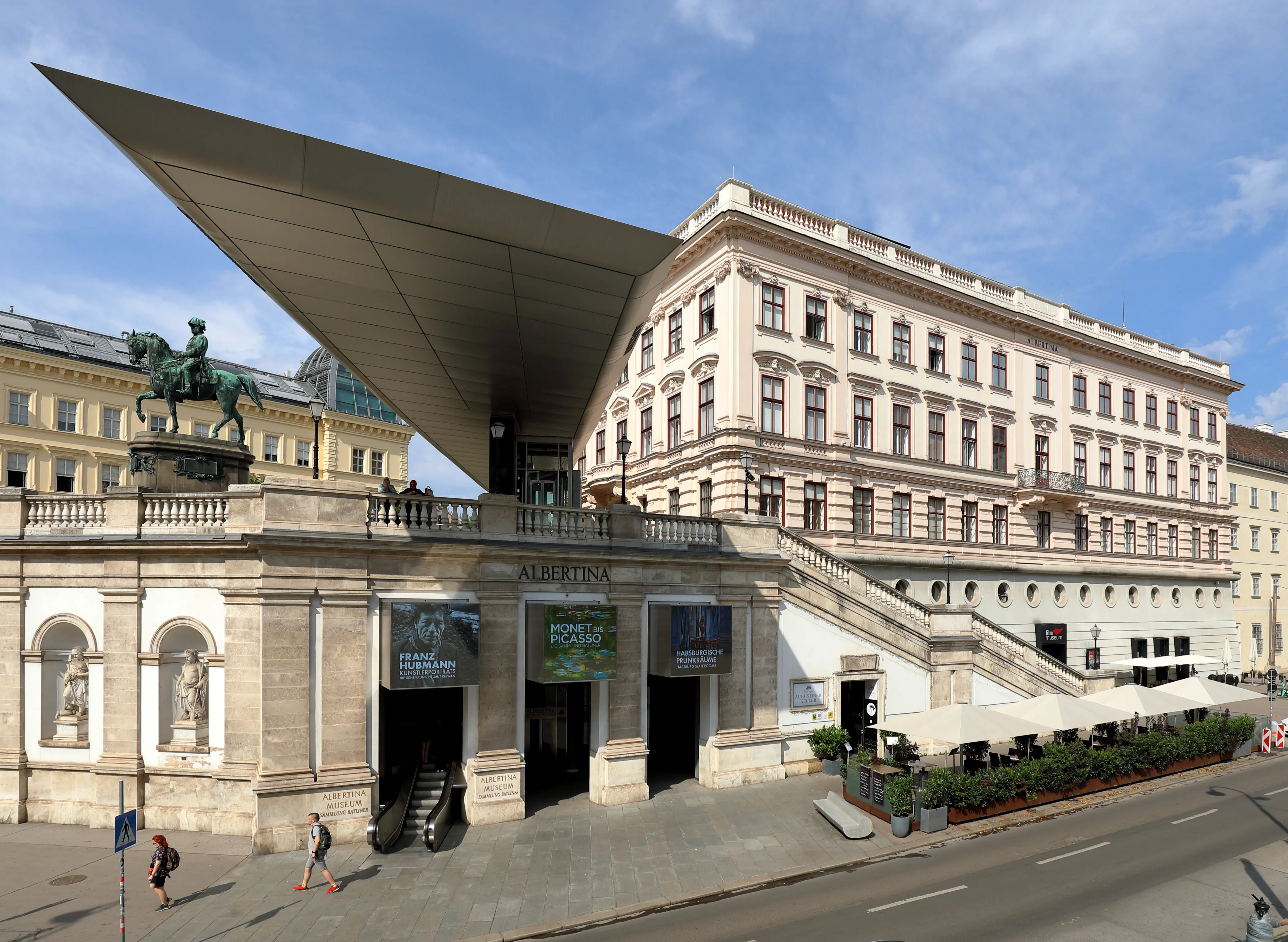
Long before people queued here for modern exhibitions, the Albertina was a place of aristocratic residence and dynastic representation. The building stands on one of the most symbolically charged pieces of Vienna's urban landscape, close to imperial power, court ceremony, and cultural prestige. In the late eighteenth century, Duke Albert of Saxe-Teschen and Archduchess Marie Christine transformed the site into a residence that reflected not only status but also a cultivated intellectual identity, where collecting became a form of political and cultural expression.
What makes this origin so fascinating is that it was never only about decoration. Collecting drawings and prints was already understood as a serious scholarly pursuit, and the foundations of the Albertina's future importance were laid by this early commitment to works on paper. These fragile objects, often less publicly celebrated than oil paintings, preserved the most intimate traces of artistic thinking. In that sense, the Albertina's story begins with a powerful idea: to value the sketch, the line, the experiment, and the artist's hand before the grand final masterpiece.
Vienna, the Habsburgs, and collecting culture
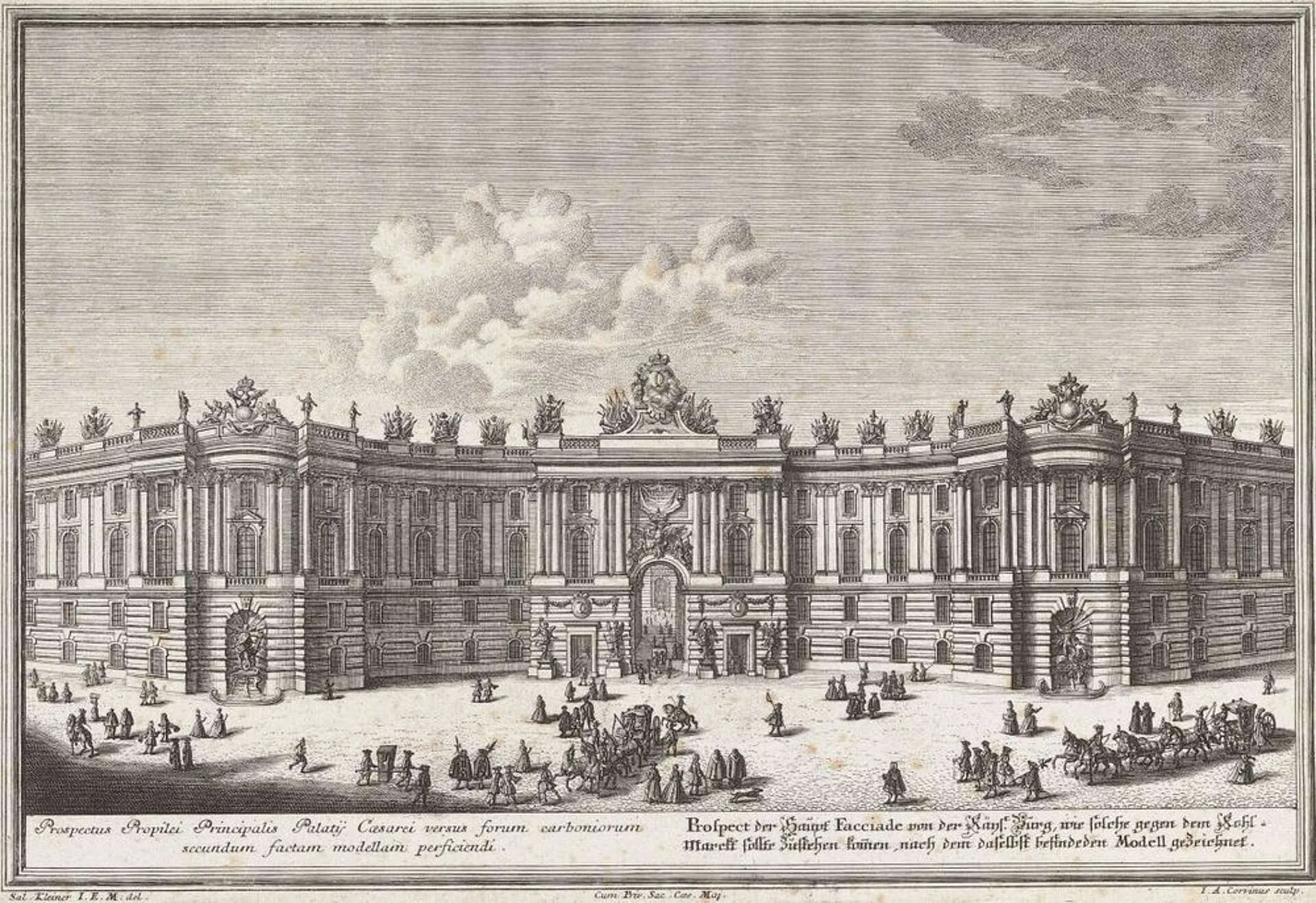
To understand the Albertina, it helps to understand Vienna itself: a city where diplomacy, music, architecture, and collecting were deeply intertwined. Under the Habsburgs, art served multiple roles at once. It represented authority, demonstrated education, reinforced alliances, and staged the empire's vision of refinement. Collections were therefore not private hobbies in the modern sense; they were instruments of legitimacy and memory.
Within this environment, the Albertina emerged as a place where connoisseurship was taken seriously and methodically. Works were acquired, ordered, studied, and interpreted with an attention that anticipated modern museum practice. The atmosphere of courtly Europe shaped the collection, but so did the curiosity of individuals who believed that drawings and prints could tell broad civilizational stories. That blend of prestige and scholarship still defines the museum's identity today.
From private holdings to public institution
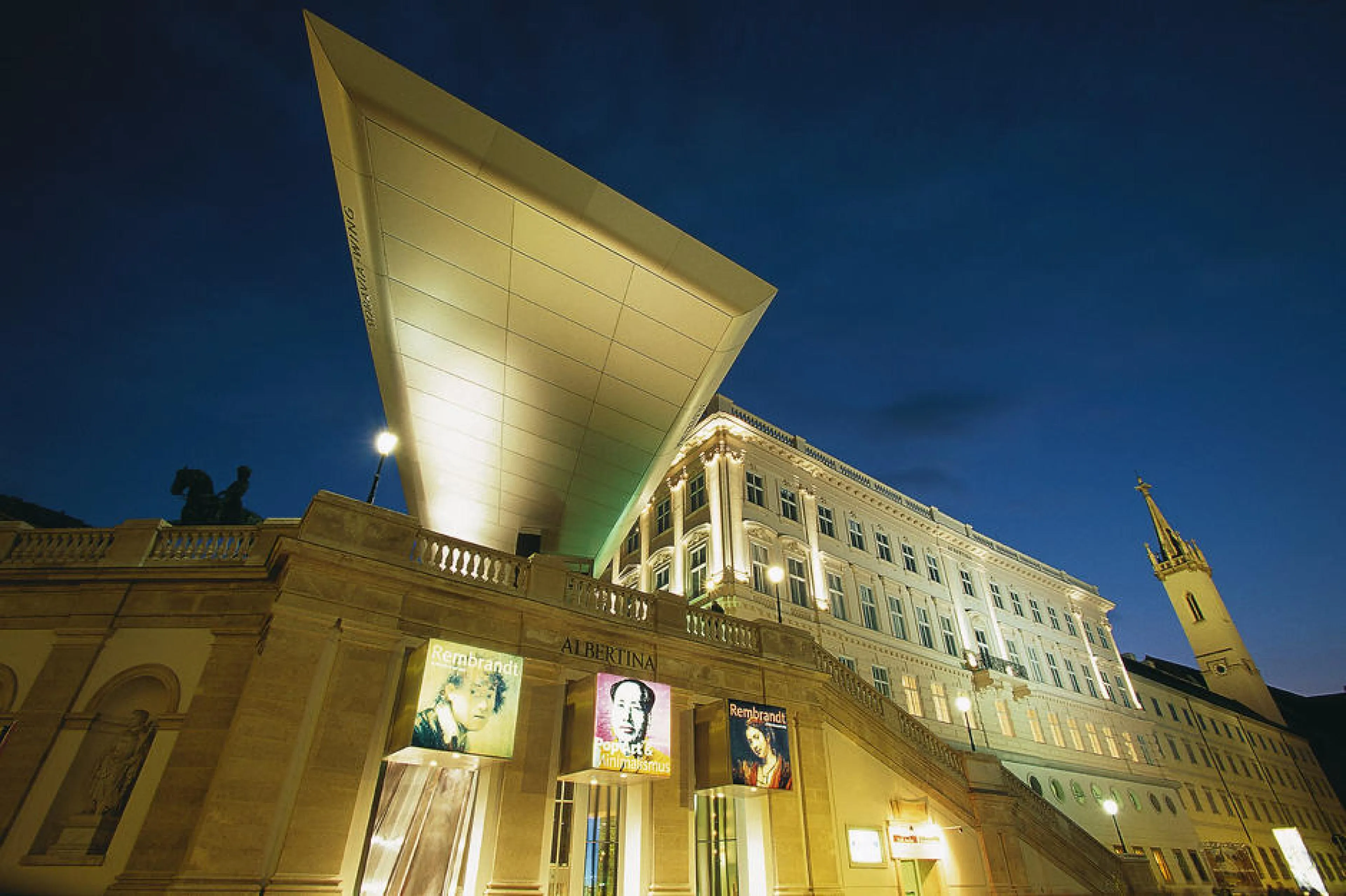
Like many major European museums, the Albertina transitioned over time from dynastic possession to public cultural institution. This transformation was not instantaneous. It evolved through political upheaval, institutional reform, and changing ideas about who art belongs to. As empires receded and modern publics expanded, former elite collections increasingly became civic resources.
The Albertina's opening to broader audiences marked a decisive shift in cultural history. It changed the social contract around art: objects once viewed by a narrow circle of insiders could now be studied, admired, and debated by students, families, travelers, and researchers from around the world. The museum became both archive and meeting point, preserving inherited wealth while generating new forms of public meaning.
The graphic collection and its global significance
The Albertina's graphic collection is among the most respected anywhere, and for good reason. Drawings and prints reveal the artist's process with unusual clarity: hesitation, revision, pressure, speed, and intent remain visible in ways that finished paintings sometimes conceal. This is where artistic thought feels closest, almost conversational.
Across centuries, the collection has accumulated works that map changing techniques, materials, and aesthetic priorities. Renaissance precision, Baroque drama, nineteenth-century experimentation, and modern fragmentation all coexist in these holdings. Scholars rely on such collections to trace influence and attribution; visitors encounter something equally valuable, the feeling of standing near an artist's first spark rather than only the polished conclusion.
Masterworks, connoisseurship, and scholarship
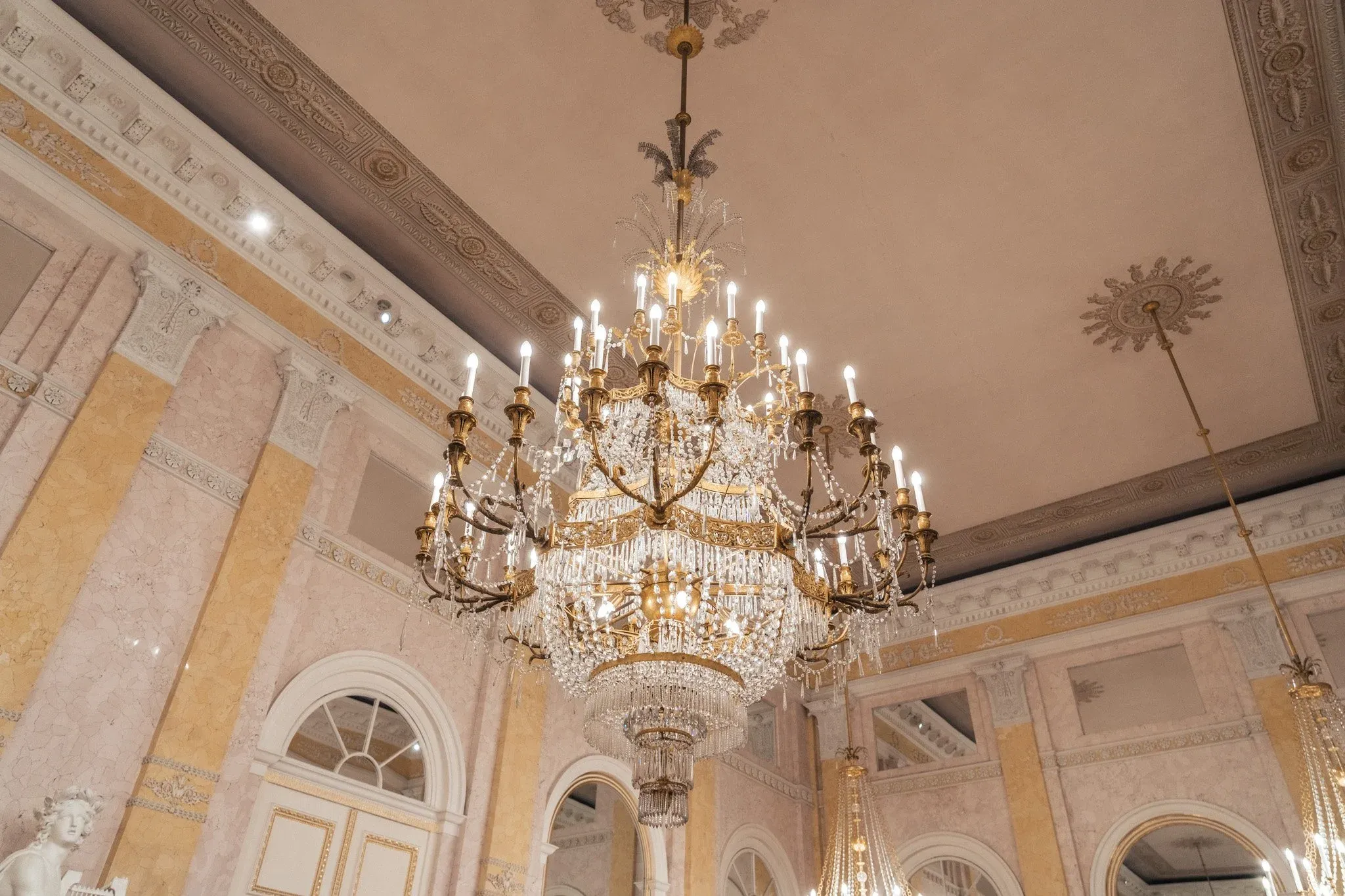
The Albertina is frequently associated with iconic names, yet its true strength lies in the dialogue between famous works and careful curation. A celebrated piece gains depth when placed beside preparatory studies, lesser-known contemporaries, or thematic contrasts that illuminate historical context. This is where curatorial intelligence becomes visible.
Connoisseurship at the Albertina has long involved more than admiration. It includes attribution debates, provenance research, conservation science, and exhibition design that balances public accessibility with scholarly rigor. The museum's reputation rests not only on what it owns but on how responsibly and imaginatively it interprets those holdings for each generation.
War, damage, and reconstruction
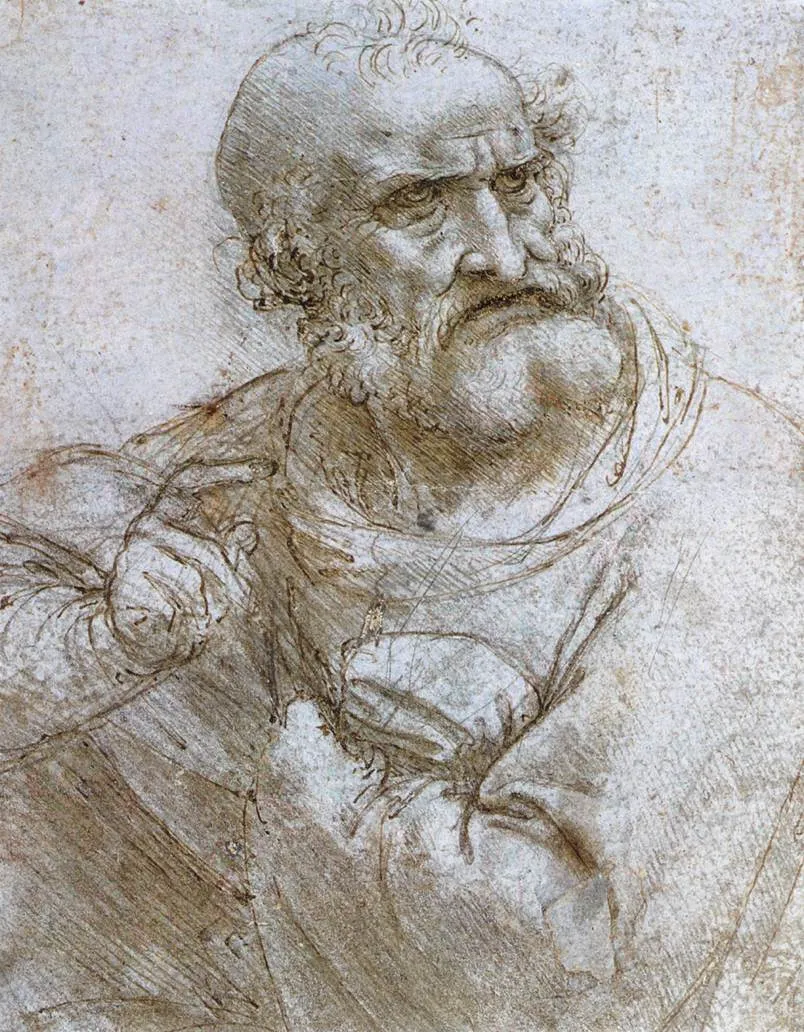
The twentieth century brought severe disruption to Vienna and to many of its cultural institutions. Political violence, war, displacement, and material damage reshaped collections and buildings across Europe. The Albertina did not stand outside these events; it carried their consequences in architecture, administration, and memory.
Postwar restoration and institutional rebuilding required patience, funding, expertise, and a long-term public commitment. Conservators, historians, and administrators worked to stabilize what survived and to rebuild the museum's role in civic life. The result is not a frozen monument but a living institution marked by resilience, where preservation is ongoing work rather than a completed chapter.
Reinvention in the modern museum era
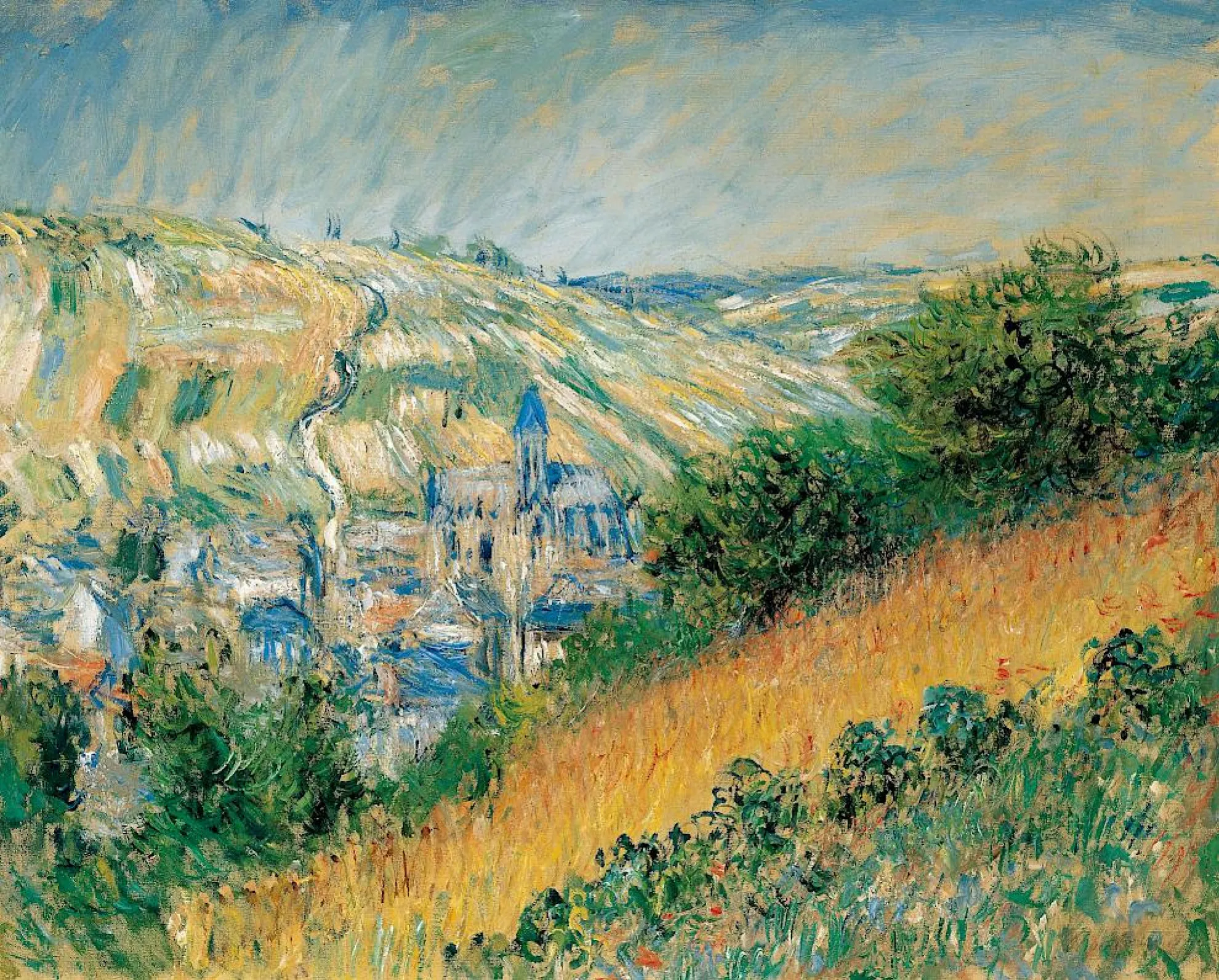
In recent decades, the Albertina has redefined itself for contemporary audiences without abandoning historical depth. Renovations improved visitor flow and visibility, while ambitious programming broadened the museum's profile beyond specialists. Today, people come for major modern and contemporary exhibitions, then discover the historic collection in the same visit.
This dual identity is one of the Albertina's greatest achievements. It can host globally recognizable names while sustaining quiet, meticulous work with drawings, prints, and archival materials. That balance attracts both first-time visitors and returning locals, turning the museum into a recurring part of Vienna's cultural rhythm rather than a one-time checklist stop.
Architecture, access, and visitor experience
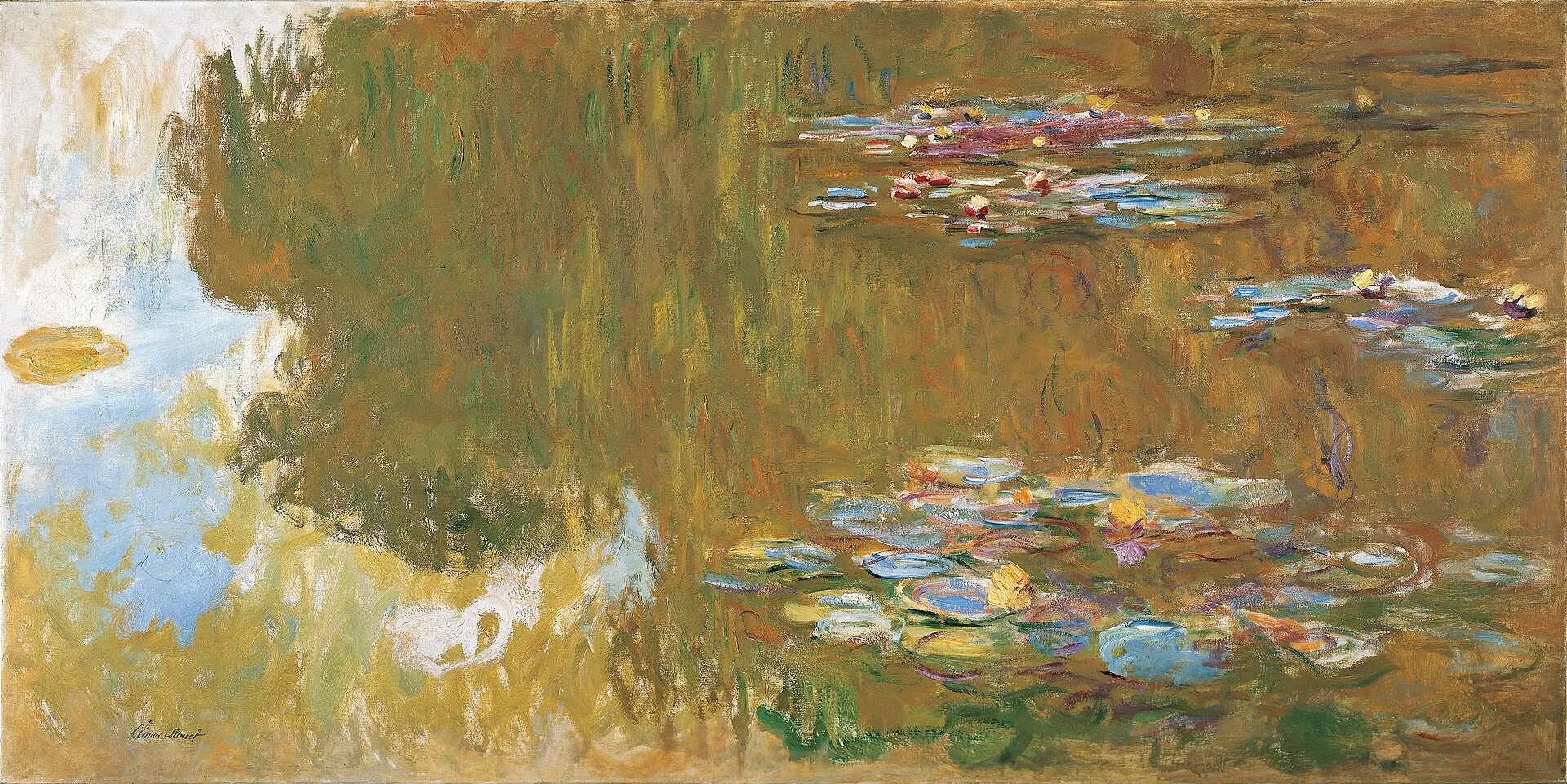
Architecturally, the Albertina offers a layered experience: formal historic rooms, controlled gallery spaces, and strategic transitions that prepare the eye for different kinds of looking. The journey through the building often feels choreographed, with moments of grandeur followed by quieter, intimate encounters with works on paper.
From a practical perspective, visitor services and accessibility have improved steadily, though historic structures naturally create occasional limitations. Planning ahead, especially for mobility needs and timed entry, helps ensure a smoother visit. The reward is a museum experience that can feel both elegant and approachable, particularly when you allow yourself enough time.
The Albertina in Vienna's cultural ecosystem
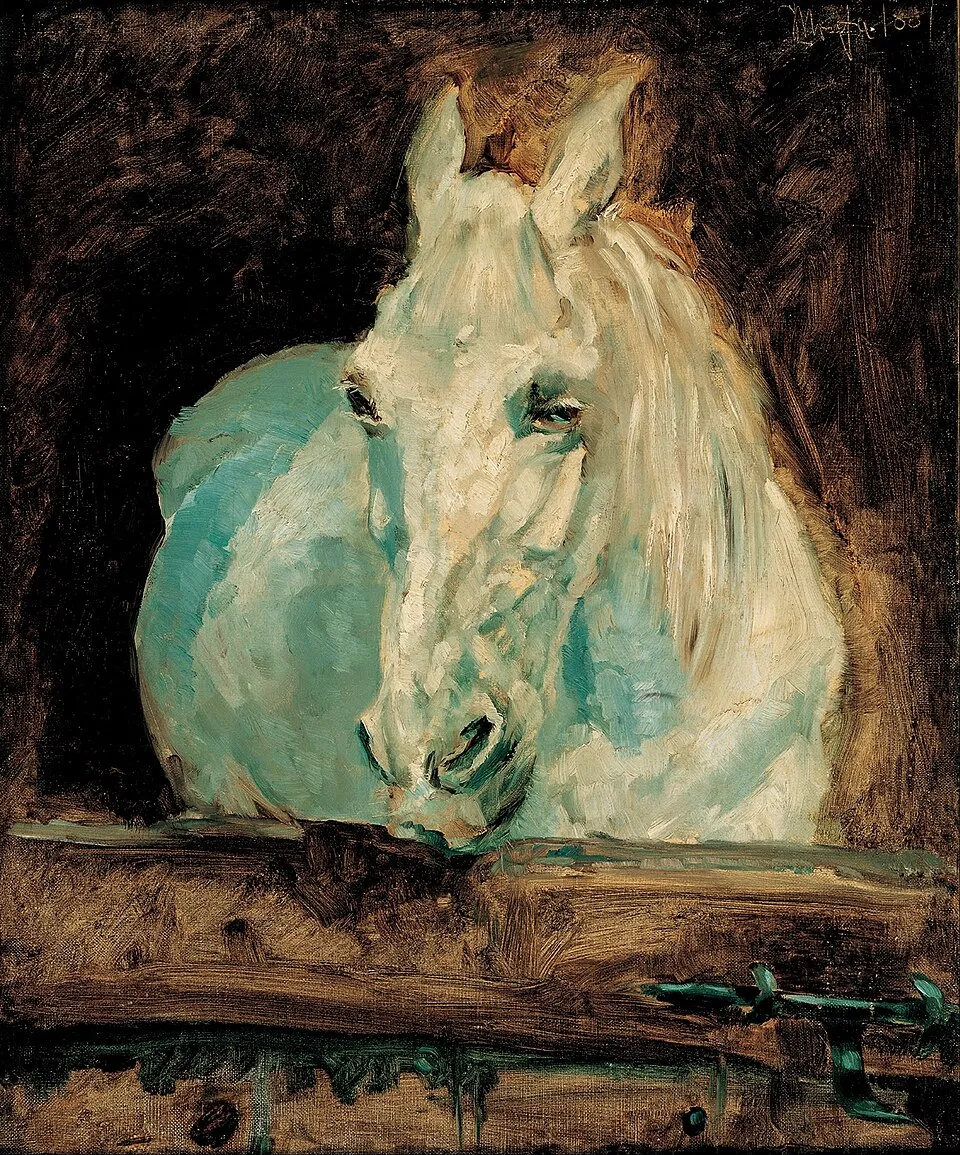
Few museums are as embedded in their city's cultural network as the Albertina. Within walking distance you find the Vienna State Opera, Musikverein, Kunsthistorisches Museum, and numerous historic churches, cafes, and performance venues. This concentration turns a museum visit into part of a wider urban composition.
For visitors, this means the Albertina can anchor an entire day shaped by art, music, and architecture. For locals, it acts as a recurring reference point, a place to revisit when a new show opens or when familiar galleries offer a different mood. The museum's relevance is sustained not by isolation but by constant dialogue with the city around it.
Exhibitions, tickets, and planning a visit
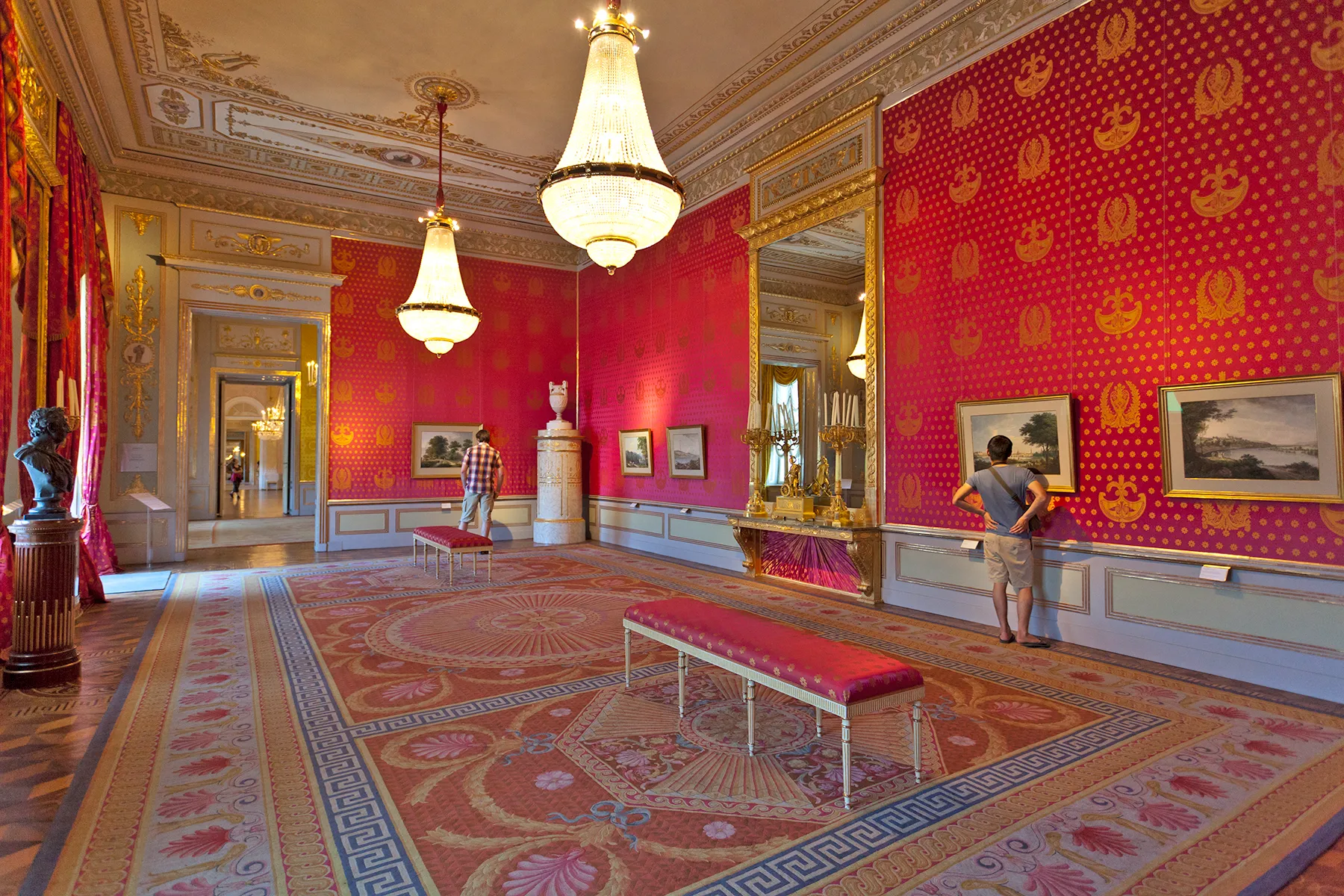
Smart planning enhances the Albertina experience more than many people expect. Exhibition popularity can vary dramatically by season and artist, and timed entry can make the difference between a calm visit and a crowded one. Reviewing the current program before arrival helps you prioritize galleries that matter most to your interests.
A practical approach works best: book in advance, choose a realistic time slot, and allow room for slower looking rather than rushing through every room. The Albertina rewards attention. A single gallery, viewed patiently, can be more memorable than an overloaded itinerary that leaves no space for reflection.
Stewardship, conservation, and public trust
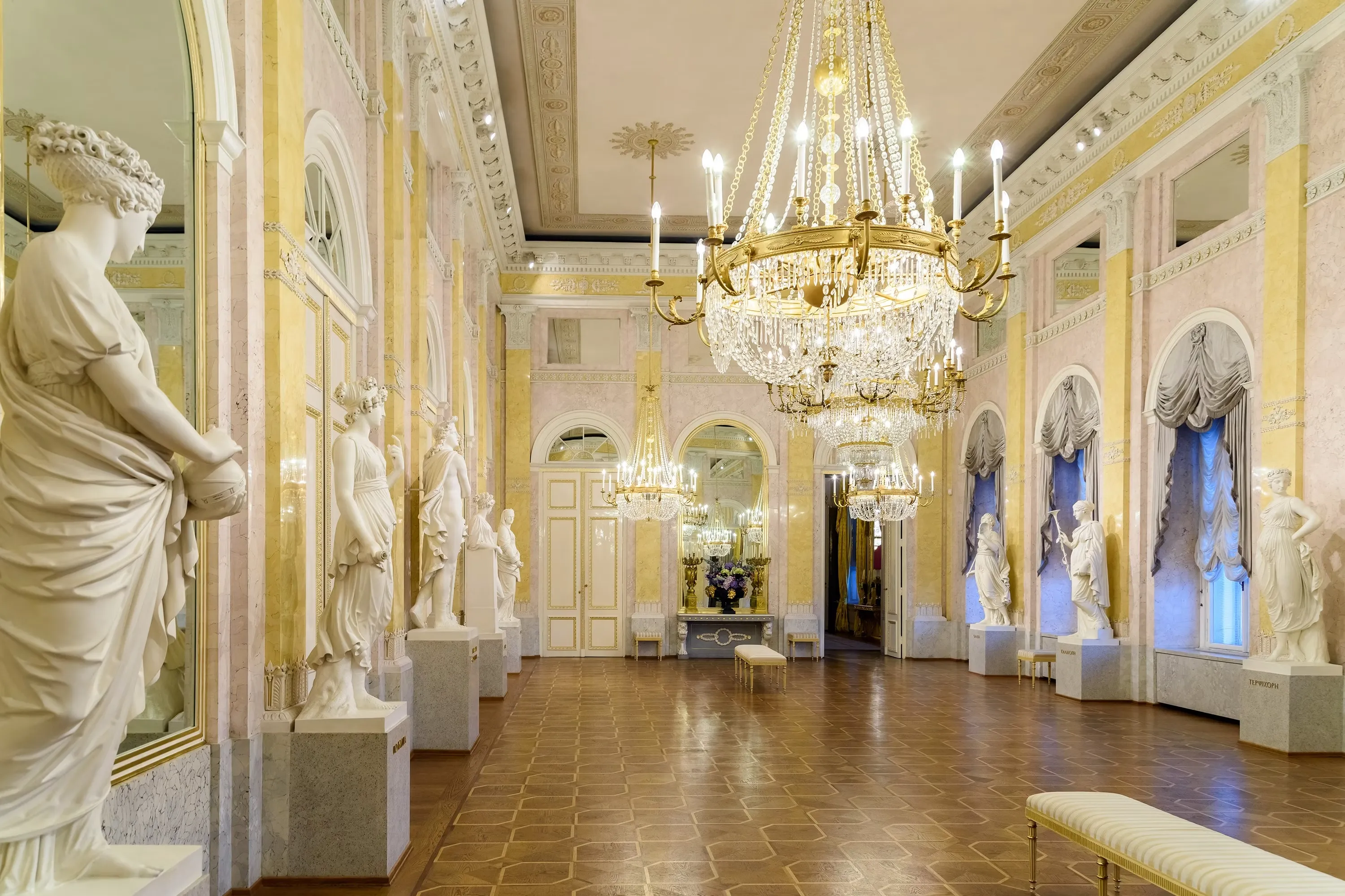
Museums like the Albertina carry a public trust that extends far beyond display. Drawings and prints are sensitive to light, humidity, handling, and time itself. Conservation is therefore a foundational responsibility, often invisible to visitors but central to everything they see.
Stewardship also includes ethical acquisition, provenance transparency, and careful interpretation. As expectations around cultural institutions continue to evolve, the Albertina, like other major museums, navigates questions about ownership, historical narrative, and inclusion. These debates are part of a healthy museum culture, one that keeps the institution accountable while preserving its strengths.
Nearby cultural routes and side visits
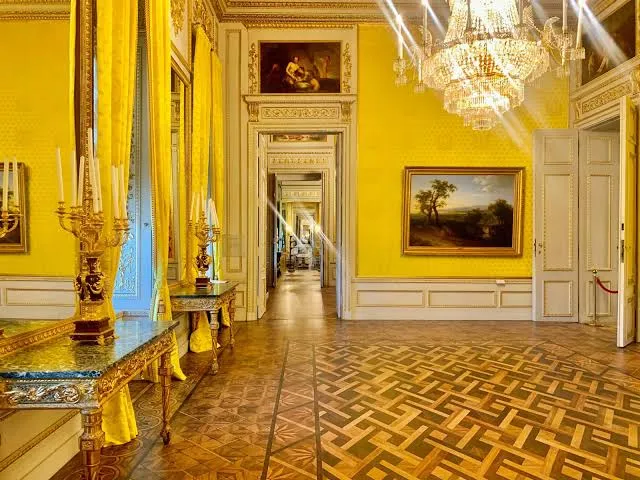
One of the pleasures of the Albertina is how naturally it connects to nearby experiences. After your visit, you can walk toward Stephansdom, pause at a traditional coffeehouse, continue to the Secession building, or cross into the Museum Quarter depending on your mood and time.
If you are building a full cultural day, the area allows elegant combinations: museum in the morning, a slow lunch, then music in the evening. Vienna's center is compact enough to make these transitions feel easy, and the Albertina's location right at the city's cultural crossroads makes it an ideal starting point.
Why the Albertina still feels alive today
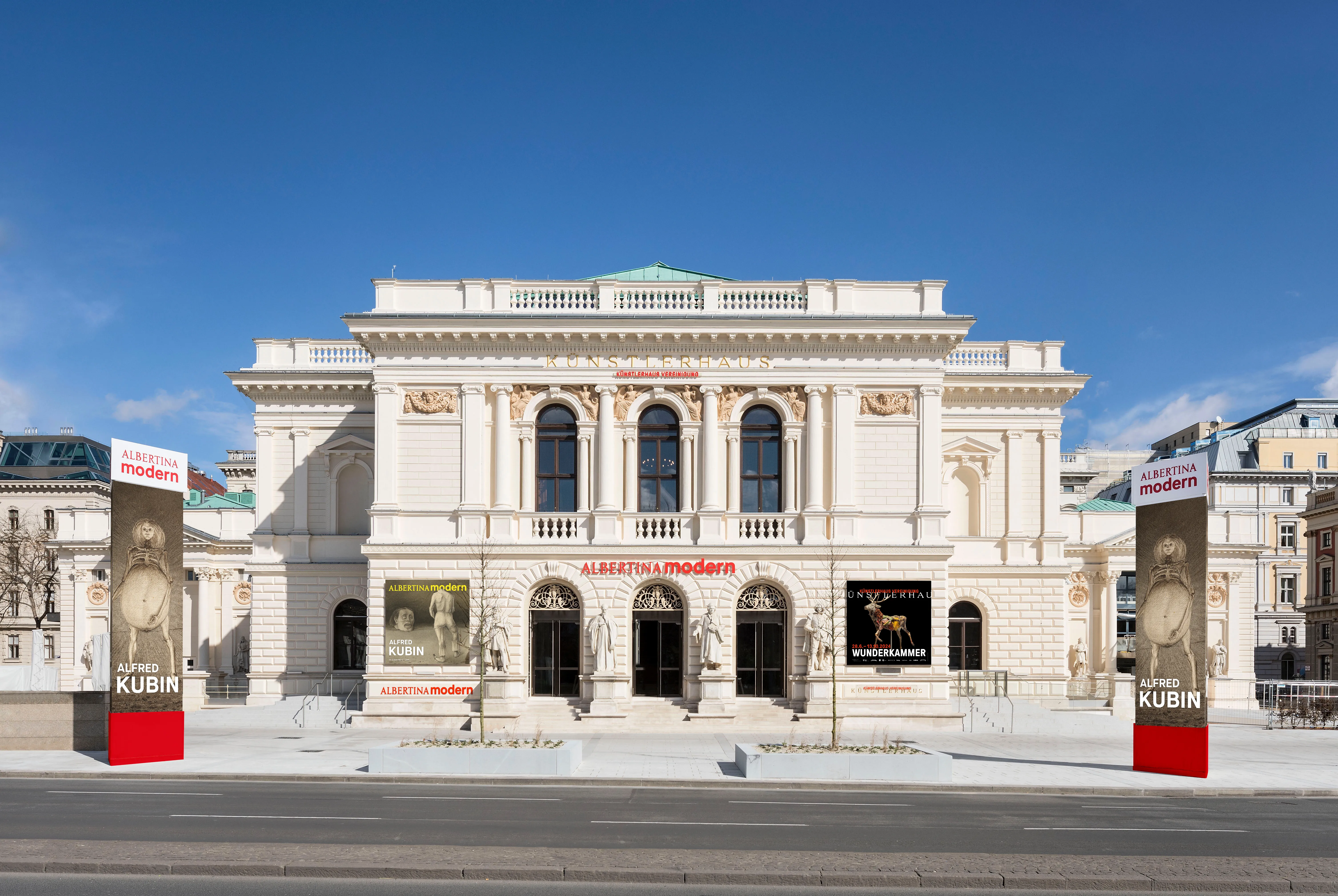
Some museums impress once and then fade into memory. The Albertina tends to do the opposite. Its layered identity, part palace, part research collection, part contemporary exhibition venue, creates repeat value that changes with each return. New shows bring fresh conversation, while the historic framework gives continuity.
Ultimately, the Albertina feels alive because it does not treat art as distant heritage. It presents it as an ongoing encounter between past and present, scholarship and emotion, precision and surprise. You leave with facts, yes, but also with a sharpened way of seeing. That is why so many visitors come once for a famous exhibition and end up returning whenever they are in Vienna again.
Table of Contents
The Albertina before the museum
Long before people queued here for modern exhibitions, the Albertina was a place of aristocratic residence and dynastic representation. The building stands on one of the most symbolically charged pieces of Vienna's urban landscape, close to imperial power, court ceremony, and cultural prestige. In the late eighteenth century, Duke Albert of Saxe-Teschen and Archduchess Marie Christine transformed the site into a residence that reflected not only status but also a cultivated intellectual identity, where collecting became a form of political and cultural expression.
What makes this origin so fascinating is that it was never only about decoration. Collecting drawings and prints was already understood as a serious scholarly pursuit, and the foundations of the Albertina's future importance were laid by this early commitment to works on paper. These fragile objects, often less publicly celebrated than oil paintings, preserved the most intimate traces of artistic thinking. In that sense, the Albertina's story begins with a powerful idea: to value the sketch, the line, the experiment, and the artist's hand before the grand final masterpiece.
Vienna, the Habsburgs, and collecting culture
To understand the Albertina, it helps to understand Vienna itself: a city where diplomacy, music, architecture, and collecting were deeply intertwined. Under the Habsburgs, art served multiple roles at once. It represented authority, demonstrated education, reinforced alliances, and staged the empire's vision of refinement. Collections were therefore not private hobbies in the modern sense; they were instruments of legitimacy and memory.
Within this environment, the Albertina emerged as a place where connoisseurship was taken seriously and methodically. Works were acquired, ordered, studied, and interpreted with an attention that anticipated modern museum practice. The atmosphere of courtly Europe shaped the collection, but so did the curiosity of individuals who believed that drawings and prints could tell broad civilizational stories. That blend of prestige and scholarship still defines the museum's identity today.
From private holdings to public institution
Like many major European museums, the Albertina transitioned over time from dynastic possession to public cultural institution. This transformation was not instantaneous. It evolved through political upheaval, institutional reform, and changing ideas about who art belongs to. As empires receded and modern publics expanded, former elite collections increasingly became civic resources.
The Albertina's opening to broader audiences marked a decisive shift in cultural history. It changed the social contract around art: objects once viewed by a narrow circle of insiders could now be studied, admired, and debated by students, families, travelers, and researchers from around the world. The museum became both archive and meeting point, preserving inherited wealth while generating new forms of public meaning.
The graphic collection and its global significance
The Albertina's graphic collection is among the most respected anywhere, and for good reason. Drawings and prints reveal the artist's process with unusual clarity: hesitation, revision, pressure, speed, and intent remain visible in ways that finished paintings sometimes conceal. This is where artistic thought feels closest, almost conversational.
Across centuries, the collection has accumulated works that map changing techniques, materials, and aesthetic priorities. Renaissance precision, Baroque drama, nineteenth-century experimentation, and modern fragmentation all coexist in these holdings. Scholars rely on such collections to trace influence and attribution; visitors encounter something equally valuable, the feeling of standing near an artist's first spark rather than only the polished conclusion.
Masterworks, connoisseurship, and scholarship
The Albertina is frequently associated with iconic names, yet its true strength lies in the dialogue between famous works and careful curation. A celebrated piece gains depth when placed beside preparatory studies, lesser-known contemporaries, or thematic contrasts that illuminate historical context. This is where curatorial intelligence becomes visible.
Connoisseurship at the Albertina has long involved more than admiration. It includes attribution debates, provenance research, conservation science, and exhibition design that balances public accessibility with scholarly rigor. The museum's reputation rests not only on what it owns but on how responsibly and imaginatively it interprets those holdings for each generation.
War, damage, and reconstruction
The twentieth century brought severe disruption to Vienna and to many of its cultural institutions. Political violence, war, displacement, and material damage reshaped collections and buildings across Europe. The Albertina did not stand outside these events; it carried their consequences in architecture, administration, and memory.
Postwar restoration and institutional rebuilding required patience, funding, expertise, and a long-term public commitment. Conservators, historians, and administrators worked to stabilize what survived and to rebuild the museum's role in civic life. The result is not a frozen monument but a living institution marked by resilience, where preservation is ongoing work rather than a completed chapter.
Reinvention in the modern museum era
In recent decades, the Albertina has redefined itself for contemporary audiences without abandoning historical depth. Renovations improved visitor flow and visibility, while ambitious programming broadened the museum's profile beyond specialists. Today, people come for major modern and contemporary exhibitions, then discover the historic collection in the same visit.
This dual identity is one of the Albertina's greatest achievements. It can host globally recognizable names while sustaining quiet, meticulous work with drawings, prints, and archival materials. That balance attracts both first-time visitors and returning locals, turning the museum into a recurring part of Vienna's cultural rhythm rather than a one-time checklist stop.
Architecture, access, and visitor experience
Architecturally, the Albertina offers a layered experience: formal historic rooms, controlled gallery spaces, and strategic transitions that prepare the eye for different kinds of looking. The journey through the building often feels choreographed, with moments of grandeur followed by quieter, intimate encounters with works on paper.
From a practical perspective, visitor services and accessibility have improved steadily, though historic structures naturally create occasional limitations. Planning ahead, especially for mobility needs and timed entry, helps ensure a smoother visit. The reward is a museum experience that can feel both elegant and approachable, particularly when you allow yourself enough time.
The Albertina in Vienna's cultural ecosystem
Few museums are as embedded in their city's cultural network as the Albertina. Within walking distance you find the Vienna State Opera, Musikverein, Kunsthistorisches Museum, and numerous historic churches, cafes, and performance venues. This concentration turns a museum visit into part of a wider urban composition.
For visitors, this means the Albertina can anchor an entire day shaped by art, music, and architecture. For locals, it acts as a recurring reference point, a place to revisit when a new show opens or when familiar galleries offer a different mood. The museum's relevance is sustained not by isolation but by constant dialogue with the city around it.
Exhibitions, tickets, and planning a visit
Smart planning enhances the Albertina experience more than many people expect. Exhibition popularity can vary dramatically by season and artist, and timed entry can make the difference between a calm visit and a crowded one. Reviewing the current program before arrival helps you prioritize galleries that matter most to your interests.
A practical approach works best: book in advance, choose a realistic time slot, and allow room for slower looking rather than rushing through every room. The Albertina rewards attention. A single gallery, viewed patiently, can be more memorable than an overloaded itinerary that leaves no space for reflection.
Stewardship, conservation, and public trust
Museums like the Albertina carry a public trust that extends far beyond display. Drawings and prints are sensitive to light, humidity, handling, and time itself. Conservation is therefore a foundational responsibility, often invisible to visitors but central to everything they see.
Stewardship also includes ethical acquisition, provenance transparency, and careful interpretation. As expectations around cultural institutions continue to evolve, the Albertina, like other major museums, navigates questions about ownership, historical narrative, and inclusion. These debates are part of a healthy museum culture, one that keeps the institution accountable while preserving its strengths.
Nearby cultural routes and side visits
One of the pleasures of the Albertina is how naturally it connects to nearby experiences. After your visit, you can walk toward Stephansdom, pause at a traditional coffeehouse, continue to the Secession building, or cross into the Museum Quarter depending on your mood and time.
If you are building a full cultural day, the area allows elegant combinations: museum in the morning, a slow lunch, then music in the evening. Vienna's center is compact enough to make these transitions feel easy, and the Albertina's location right at the city's cultural crossroads makes it an ideal starting point.
Why the Albertina still feels alive today
Some museums impress once and then fade into memory. The Albertina tends to do the opposite. Its layered identity, part palace, part research collection, part contemporary exhibition venue, creates repeat value that changes with each return. New shows bring fresh conversation, while the historic framework gives continuity.
Ultimately, the Albertina feels alive because it does not treat art as distant heritage. It presents it as an ongoing encounter between past and present, scholarship and emotion, precision and surprise. You leave with facts, yes, but also with a sharpened way of seeing. That is why so many visitors come once for a famous exhibition and end up returning whenever they are in Vienna again.