Klimt and Schiele at Albertina - Focused Visitor Guide
Learn how to approach Klimt and Schiele works at Albertina with a narrative and visual analysis framework.
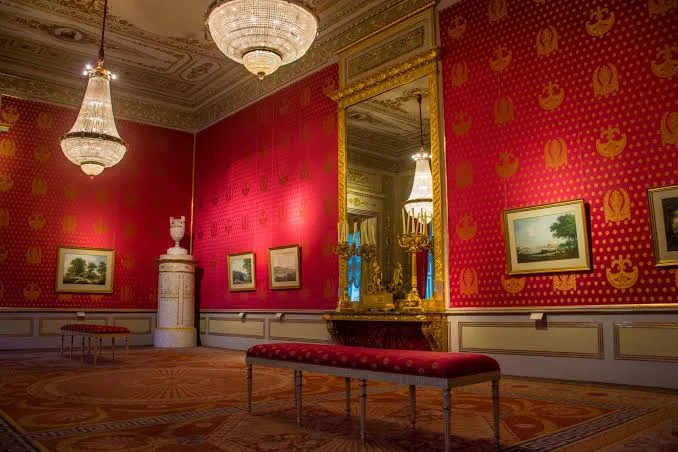
Klimt and Schiele are often presented as a pair, but at Albertina their differences become sharper and more useful.
Contrast matrix
| Artist | Typical visual energy | Visitor question |
|---|---|---|
| Klimt | Surface richness, symbolic tension | What is hidden behind elegance? |
| Schiele | Angular urgency, exposed psychology | What feels unresolved and why? |
Slow-looking prompts
- Where does the line relax, and where does it break?
- Which body posture suggests control, and which suggests strain?
- What emotional temperature does the color palette create?
Do not force agreement. Strong art allows contradictory readings.
Exit thought
When you leave this section, ask not Which artist do I prefer, but Which artist challenged me more today. The second question is usually the better one.
Narrative Deepening: Klimt Schiele At Albertina
By the time you reach this section of the museum, your pace usually changes on its own. You begin noticing transitions: how one doorway reframes color, how one bench changes your reading distance, how one return glance reveals structure.
A useful Albertina habit: when a room feels dense, narrow your focus to one artwork and one formal question.
Slow-looking extension
- Pick one anchor work and observe it for a full three-minute cycle.
- Shift viewpoint: close reading first, distance reading second.
- Compare it to one neighboring work without reading labels immediately.
Reflection matrix
| Lens | Write one line |
|---|---|
| Form | Composition, line, color, scale |
| Context | Period, movement, curatorial framing |
| Personal | Mood shift, memory, unresolved question |
Two prompts before you leave
- What detail only appeared after you stepped back?
- What did the architecture add to the artworks in this moment?
Optional mini-writing exercise
Write 6-8 lines in first person about this segment of your visit:
- Where I slowed down
- What I noticed only on return
- One formal detail I can still picture
- One idea I want to discuss later
- What I would do differently next time
- Why this section stayed with me
Contrast matrix
| Artist | Typical visual energy | Visitor question |
|---|---|---|
| Klimt | Surface richness, symbolic tension | What is hidden behind elegance? |
| Schiele | Angular urgency, exposed psychology | What feels unresolved and why? |
Slow-looking prompts
- Where does the line relax, and where does it break?
- Which body posture suggests control, and which suggests strain?
- What emotional temperature does the color palette create?
Do not force agreement. Strong art allows contradictory readings.
Exit thought
When you leave this section, ask not Which artist do I prefer, but Which artist challenged me more today. The second question is usually the better one.
关于作者

Vienna Museum Editorial Team
这份指南旨在帮助你以清晰、从容的方式接近阿尔贝蒂娜,不止停留在宣传文案层面,而是更具体地理解先看什么、何时去、如何把这次参观安排成一段有个人节奏且不慌不忙的体验。
Tags
Comments (0)
Loading comments...