Accessible Albertina Vienna - Inclusive Visitor Planning Guide
Plan an accessible Albertina Museum visit with route, rest, and comfort strategies.
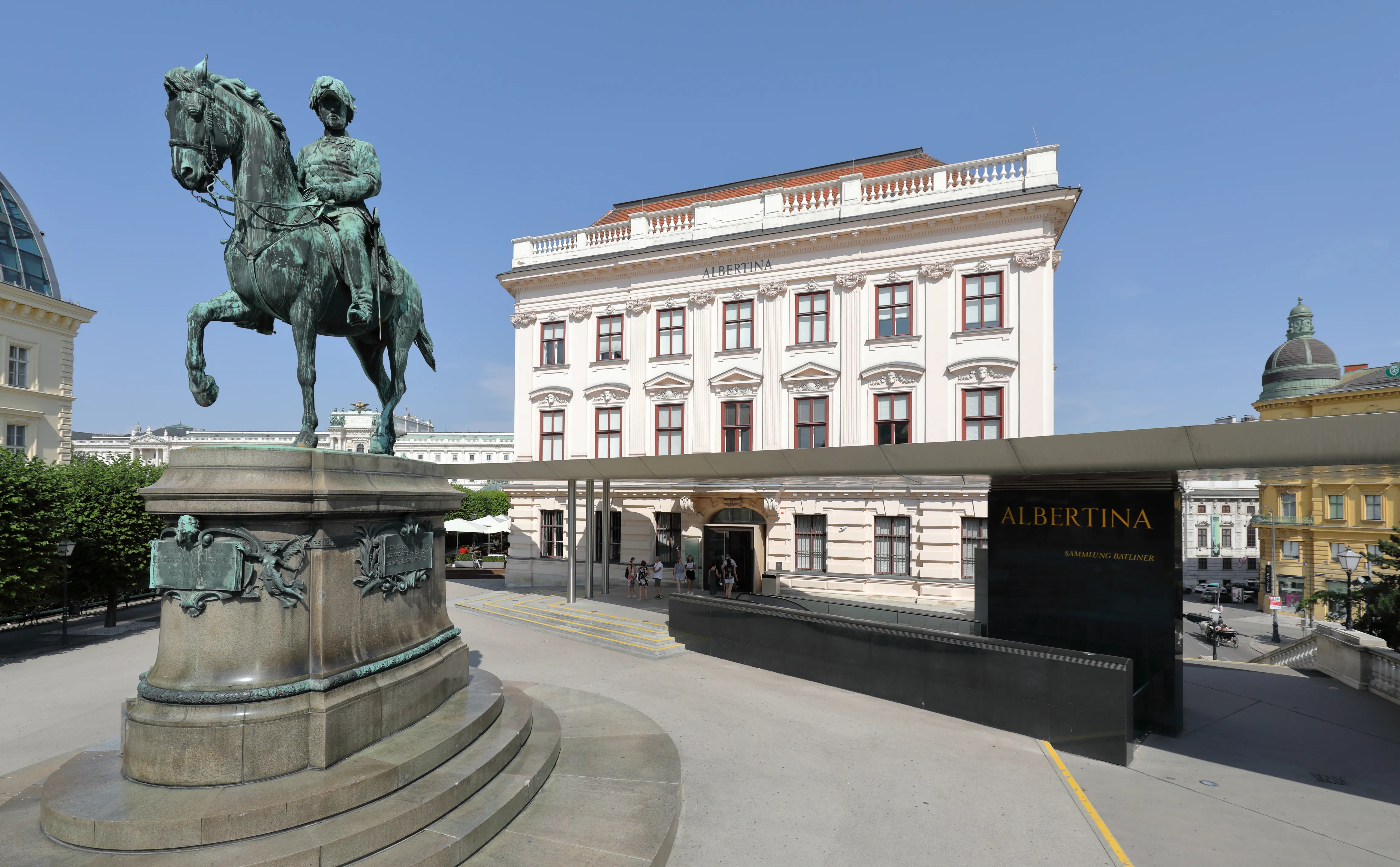
Accessibility planning is not about lowering ambition; it is about improving quality of experience.
Comfort planning grid
| Need | Planning move |
|---|---|
| Reduced standing tolerance | Build seated pauses every 30-40 minutes |
| Mobility constraints | Request most step-free route at entry |
| Sensory fatigue | Prioritize quieter wings and off-peak hours |
Communication script at arrival
Could you recommend the most accessible route for the current exhibitions, including easiest lift access and quiet rest points?
Why scripting helps
Because it converts uncertainty into a concrete, staff-supported route in under one minute.
Gentle reminder
Needs vary widely; verify current facilities before your visit and adapt in real time.
Narrative Deepening: Accessible Albertina Vienna Guide
This part of the experience tends to work best when you stop optimizing and start observing. Details that seemed decorative at first start carrying meaning when you compare placement, spacing, and movement across the room.
A useful Albertina habit: when a room feels dense, narrow your focus to one artwork and one formal question.
Slow-looking extension
- Pick one anchor work and observe it for a full three-minute cycle.
- Shift viewpoint: close reading first, distance reading second.
- Compare it to one neighboring work without reading labels immediately.
Reflection matrix
| Lens | Write one line |
|---|---|
| Form | Composition, line, color, scale |
| Context | Period, movement, curatorial framing |
| Personal | Mood shift, memory, unresolved question |
Two prompts before you leave
- Where did your eye travel first, and where did it settle?
- Which contrast (old/new, dense/minimal, warm/cool) was strongest?
Optional mini-writing exercise
Write 6-8 lines in first person about this segment of your visit:
- Where I slowed down
- What I noticed only on return
- One formal detail I can still picture
- One idea I want to discuss later
- What I would do differently next time
- Why this section stayed with me
Comfort planning grid
| Need | Planning move |
|---|---|
| Reduced standing tolerance | Build seated pauses every 30-40 minutes |
| Mobility constraints | Request most step-free route at entry |
| Sensory fatigue | Prioritize quieter wings and off-peak hours |
Communication script at arrival
Could you recommend the most accessible route for the current exhibitions, including easiest lift access and quiet rest points?
Why scripting helps
Because it converts uncertainty into a concrete, staff-supported route in under one minute.
Gentle reminder
Needs vary widely; verify current facilities before your visit and adapt in real time.
著者について

Vienna Museum Editorial Team
このガイドは、宣伝文句だけでは見えない実際の訪問体験を、迷わず組み立てられるように作成しました。最初にどこを見るか、いつ行くか、どの順で回ると満足度が高いかを、落ち着いた視点で判断できるよう支援します。
Tags
Comments (0)
Loading comments...