Klimt and Schiele at Albertina - Focused Visitor Guide
Learn how to approach Klimt and Schiele works at Albertina with a narrative and visual analysis framework.
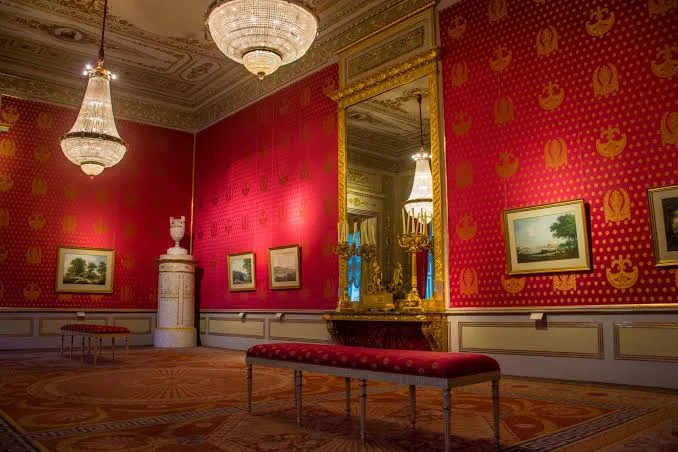
Klimt and Schiele are often presented as a pair, but at Albertina their differences become sharper and more useful.
Contrast matrix
| Artist | Typical visual energy | Visitor question |
|---|---|---|
| Klimt | Surface richness, symbolic tension | What is hidden behind elegance? |
| Schiele | Angular urgency, exposed psychology | What feels unresolved and why? |
Slow-looking prompts
- Where does the line relax, and where does it break?
- Which body posture suggests control, and which suggests strain?
- What emotional temperature does the color palette create?
Do not force agreement. Strong art allows contradictory readings.
Exit thought
When you leave this section, ask not Which artist do I prefer, but Which artist challenged me more today. The second question is usually the better one.
Narrative Deepening: Klimt Schiele At Albertina
By the time you reach this section of the museum, your pace usually changes on its own. You begin noticing transitions: how one doorway reframes color, how one bench changes your reading distance, how one return glance reveals structure.
A useful Albertina habit: when a room feels dense, narrow your focus to one artwork and one formal question.
Slow-looking extension
- Pick one anchor work and observe it for a full three-minute cycle.
- Shift viewpoint: close reading first, distance reading second.
- Compare it to one neighboring work without reading labels immediately.
Reflection matrix
| Lens | Write one line |
|---|---|
| Form | Composition, line, color, scale |
| Context | Period, movement, curatorial framing |
| Personal | Mood shift, memory, unresolved question |
Two prompts before you leave
- What detail only appeared after you stepped back?
- What did the architecture add to the artworks in this moment?
Optional mini-writing exercise
Write 6-8 lines in first person about this segment of your visit:
- Where I slowed down
- What I noticed only on return
- One formal detail I can still picture
- One idea I want to discuss later
- What I would do differently next time
- Why this section stayed with me
Contrast matrix
| Artist | Typical visual energy | Visitor question |
|---|---|---|
| Klimt | Surface richness, symbolic tension | What is hidden behind elegance? |
| Schiele | Angular urgency, exposed psychology | What feels unresolved and why? |
Slow-looking prompts
- Where does the line relax, and where does it break?
- Which body posture suggests control, and which suggests strain?
- What emotional temperature does the color palette create?
Do not force agreement. Strong art allows contradictory readings.
Exit thought
When you leave this section, ask not Which artist do I prefer, but Which artist challenged me more today. The second question is usually the better one.
Om forfatteren

Vienna Museum Editorial Team
Denne guide er lavet for at hjælpe besøgende med at gå til Albertina med klarhed og tryghed, ud over brochuretekster, så du kan forstå hvad du bør se først, hvornår du bør tage af sted, og hvordan du får et personligt, roligt museumsbesøg.
Tags
Comments (0)
Loading comments...